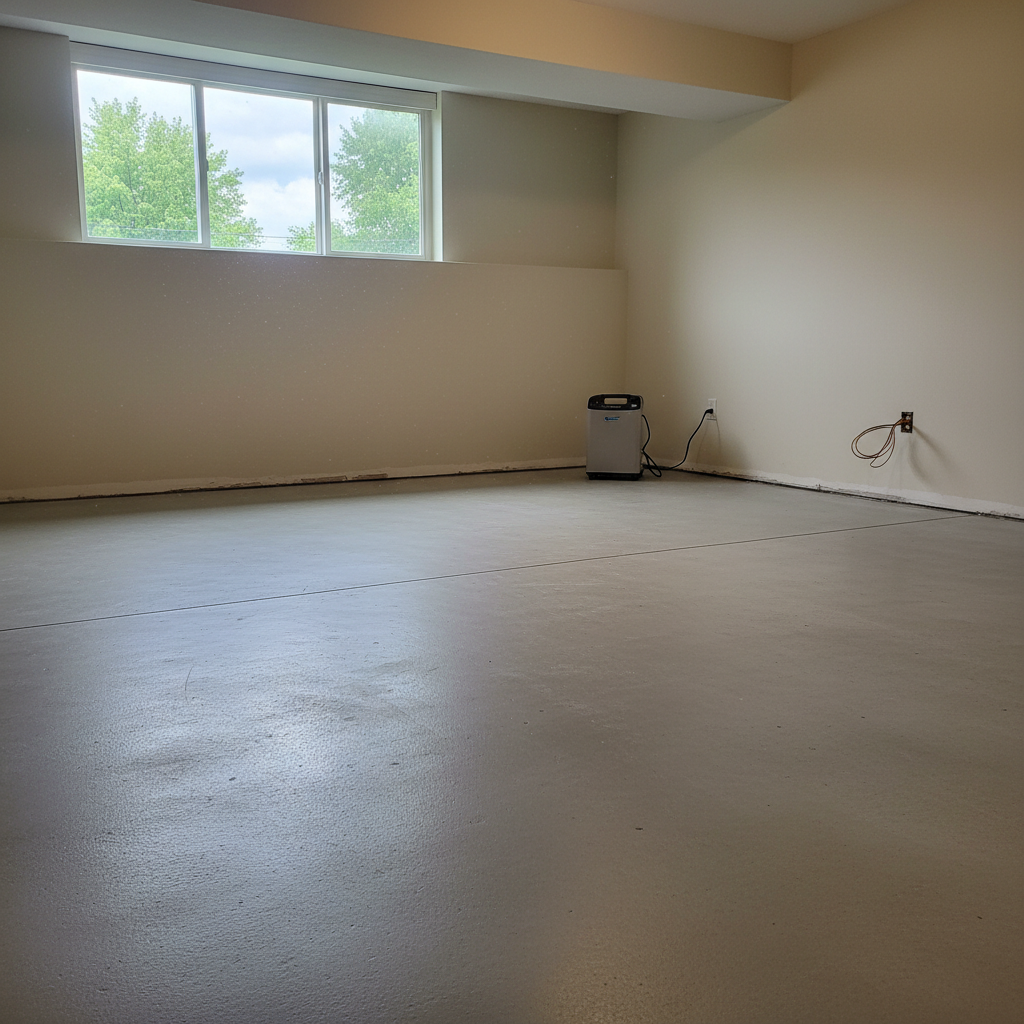
So, you've had water damage. Maybe a burst pipe, a leaky roof, or your sump pump just gave up during one of our crazy spring downpours. We came in, cleaned it up, dried everything out, and got your home back to normal. But that's not really the end of the story, is it? You've put money into getting your home fixed, and now you want that repair to actually last, right?
Making that water cleanup work stick, and heading off future problems, mostly comes down to common sense and staying a little bit watchful. Here in Bellwood, especially with our clay soils and how water just loves to sit around after a big rain, you can't just fix it and then forget about it.
Making Your Water Cleanup Last
When we talk about extending the life of the work we did, what we're really getting at is preventing the same old conditions that caused the water damage in the first place — or at least catching them super early. It's not just about the new drywall or flooring; it's about the bigger systems that protect your home.
- Good Drainage is Key: After a cleanup, we often suggest you take a good look at your exterior drainage. Are your gutters clean? Do your downspouts send water at least six feet away from the foundation? If water puddles near your house, especially in those older Bellwood homes with basements, you've got a problem brewing. Think about adding splash blocks or even regrading if water consistently sits there.
- Maintain Your Plumbing: A lot of the calls we get are for slow leaks that just went unnoticed for too long. Every so often, peek under sinks, around toilets, and behind appliances like your fridge or washing machine. Look for any weird discoloration, drips, or that tell-tale musty smell. These little issues can blow up into big ones really fast.
- Seal Up Your Home: Go check your windows and doors. Are the seals still doing their job? Cracks in your foundation or around where utilities enter your house can let water sneak in, especially during those heavy rains and snowmelts we get. A little caulk or sealant can make a huge difference.
Regular Maintenance: Your Home's Best Defense
Think of it like changing the oil in your car. Regular checks keep big breakdowns from happening. For preventing water damage, here's what I tell folks:
- Sump Pump Check-Up: If you've got a basement, your sump pump is your main defender. Test it every few months: just pour a bucket of water into the pit. Make sure it kicks on, drains the water, and then shuts off like it should. You might also want to consider a battery backup, especially with our unpredictable power outages.
- Gutter & Downspout Cleaning: Do this at least twice a year. Once in the spring after the tree buds open, and again in the fall once all the leaves have dropped. Clogged gutters overflow, sending water straight down your foundation walls.
- Appliance Hoses: The hoses on your washing machine, dishwasher, and even your refrigerator's ice maker won't last forever. Replace them every 5-7 years, especially those rubber washing machine hoses. Braided stainless steel ones? Definitely a good upgrade.
- Roof Inspection: You don't need to climb up there every month, but after a big storm or at least once a year, take a look from the ground with binoculars. Search for missing shingles, damaged flashing around vents or chimneys, or any spots that look like they're sagging.
Warning Signs: Don't Ignore These
Your home usually gives you hints before a small problem turns into a major flood. Pay attention to these:
- Musty Odors: This is a big one. If you smell something damp or moldy, especially in your basement or a room you don't use much, investigate right away. That smell means moisture is hanging out where it shouldn't be.
- Discoloration or Stains: Water stains on ceilings, walls, or floors are pretty obvious. Even faint yellow or brown spots need your attention.
- Peeling Paint or Wallpaper: If paint starts to bubble or peel, or if wallpaper lifts, that could be a sign of moisture hiding behind the surface.
- Unusual Sounds: Dripping sounds in walls or ceilings when it's not raining, or the sound of running water when no one's using a faucet, are definite red flags.
- High Water Bills: A sudden, unexplained jump in your water bill often points to a hidden leak.
- Damp Spots: If a carpet or a section of flooring feels wet to the touch, or if drywall feels soft, you've got water coming in.
When to Call a Professional
Look, I'm a big believer in homeowners doing what they can. But there are times when you just need to pick up the phone. Don't try to be a hero when:
- The Source Isn't Obvious: If you've got a water stain but can't for the life of you figure out where the water's coming from, you need someone with the right tools to find it.
- The Damage is Extensive: If you're looking at more than a small puddle, or if water has hit multiple rooms, you'll need professional drying equipment and expertise to prevent mold and structural issues.
- Mold is Present: If you see visible mold growth, especially if it's more than just a small patch, you need a professional. Mold remediation takes specialized equipment and containment to keep those spores from spreading.
- Sewer Backups: This is Category 3 water, which means it's super contaminated. You absolutely do not want to clean this up yourself. It's a serious health hazard.
- You're Unsure: Honestly, if you're ever in doubt, just call. It's always better to get an expert opinion early than to let a problem fester and get ten times worse. We're happy to come out and give you an honest assessment. That's what we do at Coastal Restoration – help our Bellwood neighbors keep their homes safe and dry.
Staying on top of these things can save you a lot of headache and money down the road. A little proactive maintenance goes a long way in protecting your home from water damage, you know?